
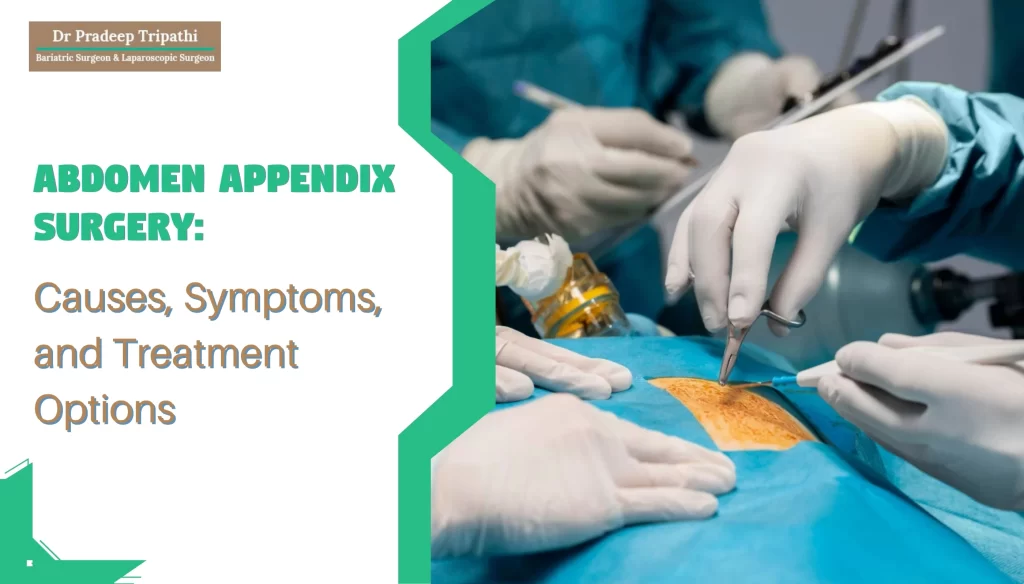
One of the leading causes of emergency surgeries in the posterior abdominal area is appendicitis-related problems. Severe pain and serious complications, if not treated in time, can be caused by an inflamed or infected appendix. It is crucial to comprehend the reasons, signs, diagnosis, and treatment for appendix problems to have one’s decision backed with knowledge. This guide will show you the way through all that concerns you with appendix surgery (appendectomy) and why the timely medical care of an experienced surgeon really matters.
What Causes Appendix Problems?
Appendicitis is mostly caused by a blockage in the appendix. The cause of this blockage could be:
- Hard stool (fecalith) blocking the appendix opening
- Swelling in the lymph tissues of the intestine
- Parasitic infections
- Trauma or injury to the abdomen
- Growths or tumors (rare)
Common Symptoms of Appendicitis
One of the common symptoms of appendicitis is a sudden onset of symptoms that gradually increase in intensity. The characteristic signs are:
- Severe pain in the right lower abdomen
- Decrease in appetite
- Nausea and/or vomiting
- Slight fever to high fever
- Abdomen distension or swelling
- Gas or stool passing difficulty
At first, the discomfort is likely to be felt around the navel, but after a few hours, it will have moved to the right side. A wait-and-see approach in terms of medical consultation may raise the likelihood of an advanced state of inflammation (rupture) of the appendix which in turn could make surgery (emergency) unavoidable.
Diagnosis of Appendicitis
The medical professionals apply a mix of clinical assessment and diagnostic procedures as follows:
- Checking the body by the doctor for any painful spots
- Using ultrasound to see if there is inflammation
- Conducting a CT scan for precise verification
- Performing blood tests to identify the presence of infection
- Conducting tests on urine to eliminate kidney or urinary problems
- Quick diagnosis assists in avoiding complications and offers the best treatment result.
Treatment Options for Appendix Issues
1. Laparoscopic Appendectomy (Minimally Invasive Surgery)
It is definitely the most common method being done nowadays. The surgeon will make these 2-3 tiny cuts, then use a camera that will help in taking out the appendix. Some of the advantages are as follows:
- Reduced pain
- Little scarring
- Quicker recovery
- Less time at the hospital
2. Open Appendectomy
It is the method of choice when the appendix has burst or when complications have arisen. The doctor makes a bigger cut to get rid of the infection and take out the appendix. This method is good for difficult situations.
3. Non-Surgical Treatment (Only for Selected Cases)
In very mild cases, antibiotics are the first line of treatment. Most patients end up needing surgery to avoid recurrence anyway.
Conclusion
Appendix troubles must never be overlooked. A speedy diagnosis, along with an immediate appendectomy, can prevent the occurrence of major complications and ensure a smooth recovery. In case you or someone close to you experiences stable stomach pain, a visit to a qualified surgeon is wise without any delay. For expert appendectomy and modern abdominal care, Dr. Pradeep Tripathi, renowned for his skill in minimally invasive and modern surgical methods, is the right place to go.